A rock pops up on I‑385, taps your windshield, and a spiderweb starts creeping across the glass. It happens fast, usually at the worst time, and the next thought is predictable: how big a hassle is this going to be with my insurance? If you drive in and around Greenville, you have options that make the process easier than most people expect. The trick is understanding how your policy treats glass, choosing the right shop, and lining up the logistics so you are not stuck waiting around, rearranging your day, or arguing about calibrations for your driver‑assistance features.
I have helped dozens of drivers through insurance windshield replacement in Greenville and nearby towns like Taylors, Simpsonville, and Mauldin. The patterns are consistent. Claims go smoothly when you document early, call the right number first, and pick an auto glass partner that speaks insurance fluently. They stumble when someone tries to save a few bucks with a generic pane, skips ADAS calibration, or drives around with tape for a week because the shop could not get a windshield with the right rain sensor bracket. We can do better than that.
Below is a practical walkthrough, with local context, for filing a claim without the headache, and for deciding when mobile service or a shop visit makes more sense.
Start with your policy, not the crack
Glass coverage lives in the fine print. Two Greenville drivers with the same crack can have wildly different out‑of‑pocket costs depending on the policy they carry. Many South Carolina policies bundle glass under comprehensive coverage, separate from collision. That matters because comprehensive usually has a modest deductible and, depending on the carrier, glass might be listed as “full glass” with a zero deductible. If your agent checked that box, you can replace a windshield without paying anything out of pocket. If not, the deductible number decides whether you file a claim.
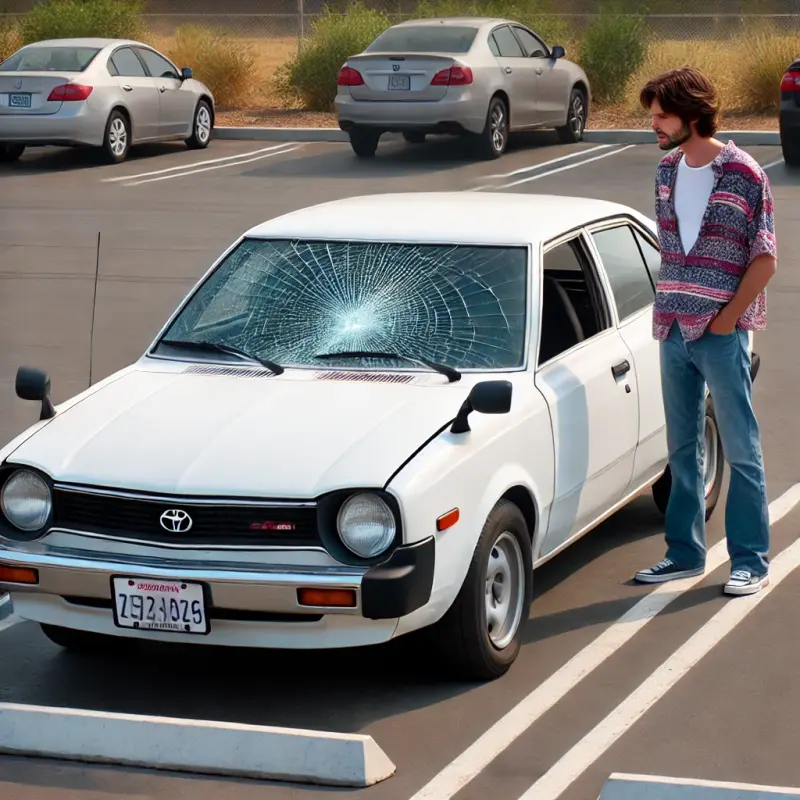
A quick example from last summer: a Honda CR‑V on Pleasantburg had a foot‑long crack that grew from a chip. The owner’s comprehensive deductible was 500 dollars, but they did not have full glass. The quote for windshield replacement Greenville shops gave was between 325 and 475 dollars depending on glass brand and moldings. Filing the claim would have cost more than paying cash. We skipped the claim, scheduled mobile auto glass Greenville service at her office, and she paid the midrange price, still under her deductible. On the other hand, a Tacoma owner in Travelers Rest had full glass. He paid nothing, and his insurer paid the shop directly.
The point is simple: pull up your policy or call your agent first. Ask two questions: is glass covered under comprehensive, and is there a separate or zero deductible for glass? If you lease or finance, confirm whether your lender requires OEM glass or ADAS calibration after replacement. Those clauses show up more than you might think.
The claim call: insurer first or shop first?
Either path can work. If you call your insurer first, they will start a claim and often refer you to a glass network. Those networks include big national brands and local partners. If you call a trusted local shop first, they can file the claim with you on a three‑way call and handle the paperwork while you listen. The second path is faster for many people because you get scheduling, glass availability, and claim setup in one conversation.
For insurance windshield replacement Greenville drivers usually benefit from picking the shop, then looping in the carrier. You are allowed to choose. South Carolina law supports consumer choice of repair facility. Carriers can recommend, but they cannot require a specific vendor. Selecting the shop first helps with parts matching, especially for windshields with rain sensors, Lane Keep cameras, head‑up display laminates, or acoustic interlayers that keep the cabin quiet. The shop can run your VIN, confirm the exact part, and tell your insurer what is needed.
A brief anecdote: a BMW X3 with a chipped windshield downtown. The owner called the insurer first and got scheduled with a network shop two counties away. The glass that arrived lacked the HUD layer. The install stalled for a week while correct glass was reordered. If he had called a Greenville shop with strong glass sourcing, they would have used the VIN decoding upfront and ordered the right HUD windshield the first time.
What counts as repairable vs replaceable
Not every damaged windshield needs replacement. If the chip is smaller than a quarter, not in the driver’s direct line of sight, and not too close to the edge, windshield repair Greenville technicians can usually inject resin and stop the damage from spreading. That takes about 30 minutes on site and often costs less than your deductible. Some insurers even waive the deductible entirely for repairs because it saves them money over a future replacement. If the damage is larger, if it is a crack longer than about 6 inches, or if it sits in the driver’s critical vision zone, replacement is safer.
Greenville’s temperature swings matter too. A chip that looks stable at 7 a.m. can creep by lunchtime. Parking in the sun accelerates that spread, and so does the defrost setting on a cold morning. If you can, keep the windshield shaded, avoid slamming doors, and schedule repair promptly. Waiting a week is how a 75‑dollar repair turns into a 400‑plus replacement.
Mobile or in‑shop: which one makes sense?
Mobile windshield repair Greenville and mobile auto glass Greenville services are popular for a reason. They meet you at work, at home, or at a ball field while you watch practice. The tech brings a rack of tools, the correct glass, primers, and urethane, and you are back on the road after the safe drive‑away time. For a lot of vehicles, that time is around 60 to 90 minutes after install, depending on urethane type and weather.
There are situations where a shop appointment is smarter. If your vehicle has advanced driver assistance features, specifically a forward‑facing camera behind the glass, you will likely need ADAS calibration windshield Greenville service after replacement. Some calibrations are static and require targets set at precise distances and heights in a controlled bay. Others are dynamic and involve a test drive with a scan tool on Greenville roads. Many shops can do both in house. Some mobile technicians can perform dynamic calibration onsite if the route is suitable, but static calibrations typically require a shop. Bad weather is another factor. Urethane cures best in certain humidity and temperature ranges, and rain on fresh primer is a problem. A climate‑controlled bay removes those variables.
As a rule of thumb, mobile works well for straightforward replacements without complex cameras, for side window replacement Greenville when a thief has smashed glass overnight, and for back glass replacement Greenville if the opening can be sealed from weather quickly. When you have lane keep, adaptive cruise, traffic sign recognition, or a HUD, ask the shop how they handle calibration. The right answer includes OEM procedures, a pre‑scan and post‑scan, and a printout for your records.
The parts question: OEM, OEE, or aftermarket
Not all glass is created equal. OEM is from the automaker’s branded supplier, like Pilkington, Saint‑Gobain, or AGC, stamped with the car brand. OEE, original equipment equivalent, often comes off the same line without the automaker stamp. Aftermarket varies in quality. For windscreens with acoustic layers, camera brackets, HUD, or special tint bands, I push for OEM or high‑grade OEE. The optics matter. A small difference in distortion at the top of the windshield may not bother your eyes, but it can confuse a camera during ADAS calibration.
Insurers are usually okay with OEE as long as it meets safety standards. Some will approve OEM if the vehicle is new, if a camera system requires it, or if a lease mandates OEM. A solid local shop knows which carriers will authorize what, and how to document the need. If your policy allows “like kind and quality,” it is reasonable to ask for OEE from a respected manufacturer, not the cheapest import panel. Cheap windshield replacement Greenville does not have to mean flimsy materials. It can mean a shop that buys smart, keeps overhead in check, and avoids unnecessary parts.
Step‑by‑step: a clean claim from start to finish
Here is the tight version of the process that keeps stress out of the equation.
- Photograph the damage from two angles, include a coin for scale, and note the time and location. If there was debris impact on 385 or Wade Hampton, write it down. Check your policy or call your agent. Confirm comprehensive coverage and whether glass has a separate deductible. Ask if ADAS calibration is covered after replacement. Choose a qualified local shop. Ask about mobile service areas, ADAS calibration capabilities, and whether they handle claims billing. Share your VIN to confirm the exact glass. Start the claim on a three‑way call with the shop and your insurer. Provide photos and details. Approve the parts choice: OEM or OEE as appropriate. Schedule mobile or in‑shop. Day of service, clear the dash, remove parking passes from the glass, and have the car in a spot with safe access. After install, follow cure time instructions and get calibration reports if applicable.
That is the only list you really need. Everything else is nuance.
Timing, availability, and local patterns
Greenville has decent inventory for common vehicles. Toyota, Honda, Ford, Chevrolet, and Hyundai windshields are often available same day or next morning. European cars, trucks with special acoustic layers, and windshields with complex HUD coatings may take 2 to 5 business days. Around hail events or after a week of loose aggregate on a resurfaced road, demand spikes and inventory tightens. If a shop promises a rare windshield same day when everyone else says two days, pause and ask if the part is the exact match for your trim. The right part means the correct bracket for your rain sensor, the tint band that aligns with your mirror, and the thicker acoustic interlayer if your vehicle came with it.
Side and rear glass move faster. Side window replacement Greenville is usually a single afternoon fix, including vacuuming shattered glass from door cavities and the cabin. Back glass replacement Greenville sometimes runs longer because defroster connections and trim clips can slow things down. SUVs with privacy glass often use tempered panels that are readily available.
Cost ranges and when to avoid a claim
Prices move with glass type, supply chain, and the amount of trim that must be removed. For a broad sense in Greenville:
- Standard economy windshield replacement Greenville often lands between 275 and 425 dollars cash price. Midrange sedans and popular SUVs with sensors usually sit between 350 and 625 dollars, not counting calibration. ADAS calibration windshield Greenville services can add 150 to 350 dollars for dynamic, 250 to 500 for static or dual calibration, depending on the platform. Side windows typically fall between 180 and 325 dollars. Back glass often runs 300 to 650 dollars, higher if there is an integrated spoiler or wiper motor to remove.
If your glass deductible is 500 and your quote is 425, do not file the claim. If you have full glass or a 100 dollar deductible, a claim is reasonable. Also consider claim frequency. Comprehensive glass claims usually do not affect rates like at‑fault collisions, but carriers do look at claim counts over a few years. If you have several small glass claims clustered together, your agent might tell you to pay out of pocket for the next minor chip repair and save the claim for when you need full replacement.
The calibration question, answered
This is the part most drivers are unsure about. Modern windshields are not just clear barriers. They act as mounting points and optical paths for cameras and sensors that help keep you in your lane, apply brakes in an emergency, and read speed limit signs. When you remove the windshield, you change the camera’s relationship to the world. Calibration restores the correct alignment and focus for those systems.
Static calibration is done in a controlled space with targets on stands measured to specific distances. The vehicle sits on a level surface with tire pressures set, fuel at a certain level, and sometimes ballast in the seats to simulate weight. Dynamic calibration takes place on local roads at set speeds while a scan tool guides the technician through a procedure. Some vehicles need both. If someone tells you calibration is optional because “the camera will learn,” be cautious. Some cars do relearn small variances, but most manufacturers specify calibration after glass removal. Insurers know this and typically approve it when documented.
I have watched a Subaru with EyeSight refuse to engage adaptive cruise after a do‑it‑yourself windshield swap. A proper calibration fixed it in under an hour. Skipping that step is not just a warning light risk, it is a safety issue.
Picking the right partner in Greenville
Credentials matter more than billboards. Look for technicians who hold certifications from the Auto Glass Safety Council or equivalent training, and shops that can show calibration equipment or a reliable calibration partner. Ask how long they warranty their work. One‑year workmanship coverage is common, lifetime against leaks is better. If you drive a newer car with heated glass or HUD, ask to see an example calibration report. Transparency on paperwork tends to line up with better installs.
The best shops will also talk you through the curing process. The urethane that holds your windshield in place is not just glue. It is a structural bond that restores the cabin’s strength and allows airbags to deploy correctly. Safe drive‑away times are real. If the tech says you can drive instantly, think twice. In Greenville’s summer heat, many urethanes do cure faster, but conditions vary, and responsible installers will give a specific window and affix a time stamp.
Working with mobile teams without disruptions
Mobile service is great when it is set up properly. Parking needs are basic: enough space to open doors and access the cowl, a driveway or lot that is roughly level, and a plan for light rain. Technicians carry canopies, but heavy rain can halt primer or bonding steps. If you have covered parking, say so when you schedule. For downtown offices, confirm the garage clearance and whether the tech can work on site without violating building rules. A quick heads‑up to security avoids an awkward conversation mid‑install.
Avoid scheduling a same‑day road trip. Most urethane brands specify a safe drive‑away time, but they also advise avoiding slamming doors or rough roads for a few hours. Save the gravel detour for tomorrow. If you handle back glass replacement Greenville, bring a trash bag along. Shops vacuum thoroughly, but tiny glass bits hide in seat seams and hatch trim. A shop that offers a complimentary re‑vacuum visit a week later understands this reality.
What “cheap” should and should not mean
Searches for cheap windshield replacement Greenville surge after storms, and I get it. Nobody wants to overspend. But cheap should mean efficient, not corner‑cutting. A fair price comes from smart sourcing of OEE glass, a tech who does not break clips by rushing, and a shop that bills insurance correctly the first time so you do not get surprise calls later. It should never mean reusing old, stretched molding on a windshield that requires new trim, skipping primer steps, or ignoring calibration. Low prices that come from skipping materials or procedures cost more later. Water leaks take time to show up, wind noise turns road trips into a drone, and a dash full of error lights ruins your week.
If you are comparing quotes, ask what is included: glass brand, new molding, one‑time use clips, calibration, mobile fee if any, and warranty terms. A 30 dollar difference is meaningless if the lower number omits the pieces that keep the job clean and safe.
Edge cases people rarely talk about
A few situations come up just often enough to deserve a mention.
- Classic or specialty vehicles: Older cars with curved glass or models with rare green tint may require special ordering or even custom cuts. Insurance may cover it, but timelines stretch. Patience and clear communication reduce frustration. Fleet vehicles: If your company runs a fleet, set up a direct billing relationship with a local shop. You get priority, standard pricing, and mobile routes that hit your lot early before vehicles head out. Aftermarket tint and sensors: If you added a tint strip at the top of the windshield, plan to replace it. Many shops can reapply a legal strip. Be mindful that heavy tint bands in the camera area can interfere with ADAS. Good shops cut around sensor zones. Rain sensors misbehaving: Post‑install, some rain sensors cycle wildly on first use. A proper reseat and a new gel pad usually fixes it. Mention it right away. It is an easy warranty adjustment. Winter installs: Greenville does not see brutal winters, but cold snaps happen. Some urethanes cure slower in the cold. Expect longer safe drive‑away times and ask your tech what to expect.
When repair beats replacement
I have a soft spot for clean chip repairs. If you catch them early, they preserve the factory seal and keep that original windshield optics intact. Mobile windshield repair Greenville techs can meet you in a parking lot and have it done before your lunch hour ends. The visual improvement is usually 70 to 90 percent, with the main win being structural: the crack stops growing. Insurers like these repairs. If your policy offers zero‑deductible chip repair, use it. You are saving them money and saving yourself a later headache.
One note of honesty: resin does not make the blemish disappear. It refracts light differently than glass, so in certain sun angles you will still see a tiny mark. If you expect invisible, you will be disappointed. If you expect a stable, safe windshield that passes inspection, you will be happy.
A simple way to keep stress out of the process
The least stressful experiences share three traits. First, quick decisions. You take photos, check coverage, and call a shop the same day. Glass damage does not improve by waiting. Second, good matching. The shop runs your VIN, confirms the correct glass, and has the right moldings and clips ready. Third, complete service. Install plus calibration when needed, a clear drive‑away time, and written paperwork for your insurer and records. When those pieces line up, you barely think about the claim again.
Greenville has enough capable providers that you can demand that standard. Whether you need auto glass replacement Greenville after road debris on 85, a late‑night side window replacement Greenville after a break‑in near Augusta Road, or a back glass replacement Greenville when a branch drops during a storm, the blueprint is the same. Choose partners who make the insurance step feel routine, not bureaucratic.
If you are still unsure, call your side window replacement Greenville agent and a reputable shop on the same morning. Ten minutes of conversation beats an hour of online forms. Describe your vehicle, your tech features, and where you need the work done. Ask plainly: can you handle the claim with my carrier, do you calibrate ADAS in house or with a trusted partner, and what is the earliest slot? Straight answers to those three questions separate the pros from the pretenders.
By the time you finish your coffee, you will have a scheduled time, a claim number, and a clear plan. The crack in your windshield will be tomorrow’s problem, and tomorrow it will be gone.